
You can help us stop the Ebola virus and save lives in eastern DRC!
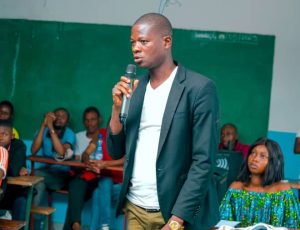
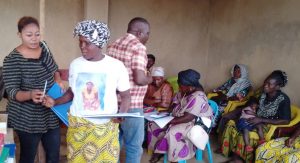
Our ACHA Ebola (“STOP Ebola”) members work in the local communities to educate people on how to stop the transmission of Ebola. They explain the issues gently, without shaming people, and help people understand what needs to be done.
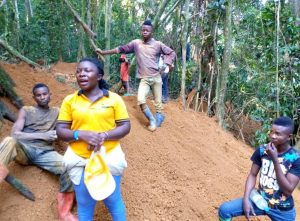
(One of our consortium members visits mine sites in the very epicenter of the Ebola epidemic, near Rwampara in Ituri Province. Miners are at great risk of catching and transmitting Ebola, as they work in close proximity to one another, and frequently travel to other mine sites.)
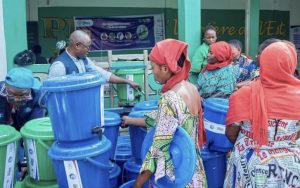
(These brightly colored containers are ad hoc washing stations with soap and water or disinfectants to cleanse hands. They are being set up in communities throught the affected zones.)
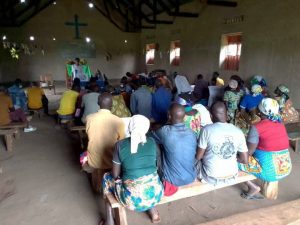

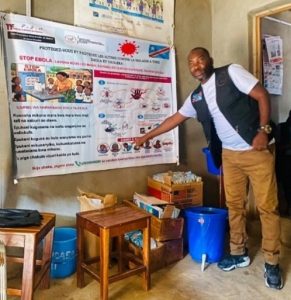


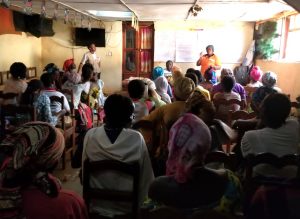

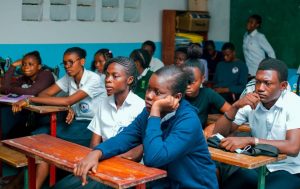
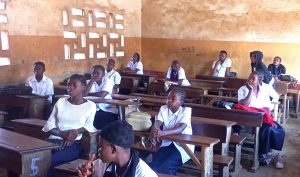
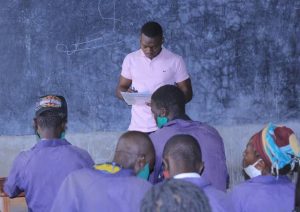
(Educating school children is an effective community outreach strategy, because they go home and tell their parents and other relatives what they have learned.)

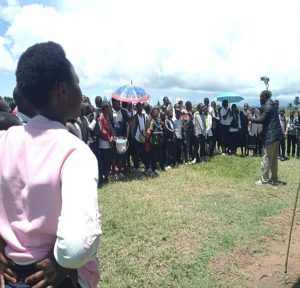
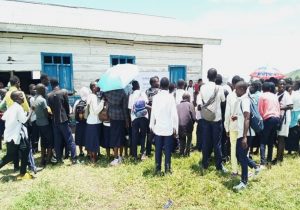


(Unlike Covid-19, masks are not really essential for preventing transmission of Ebola, because it is not generally airborne – unless an infected person coughs or sneezes on you.)
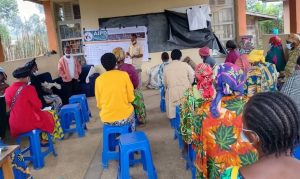
Outreach through the news media
One of our partners writes an article every day about the evolution of the Ebola epidemic and the latest thinking on how to stop it. See these English language translations on the IfE website (with links to his website, in French).
EBOLA IN THE DR CONGO: Youth and community media unite to combat rumors
EBOLA IN THE DR CONGO: Community resistance to the Ebola response at Kasindi
EBOLA IN THE DR CONGO: When rumors become more dangerous than Ebola
EBOLA IN THE DR CONGO: Social media rumors endanger those who risk their lives to save ours
Local motorcycle taxi drivers (called Motards) are helping with the effort to encourage people to follow the recommended health measures!

Health workers attempting to ensure safe and dignified burials of people who died of Ebola: sadly, this disrupts traditional burial ceremonies, and makes people feel like they have failed to say goodby properly. Extensive education is needed to help people understand why this is essential. Otherwise, a community burial can turn into a super-spreader event. (This has happened.)


An Ebola treatment facility is being burned down by frightened people. Years of violent conflict and abandonment has resulted in fear and trauma, which creates mistrust. Our project is designed to address the mistrust and resulting misinformation.
A number of members of the ACHA Ebola consortium have received accreditation from the National Institute of Public Health, allowing them to operate in the Ebola high risk zones. This is a great accomplishment that has opened doors for our project.

Another of IfE’s partners encouraged his Indigenous (Batwa) community to build a small motorcycle pathway so that medical workers could reach their village, if needed. As soon as they were done, the head doctor from their health zone showed up to congratulate them!

Kids are scared, and many are being orphaned when Ebola spreads through their families. Please help us help them!
